
We introduced AI in our own engineering practice.
Now we bring it to yours: design reports, tender documents and meeting minutes, generated automatically from your existing files.
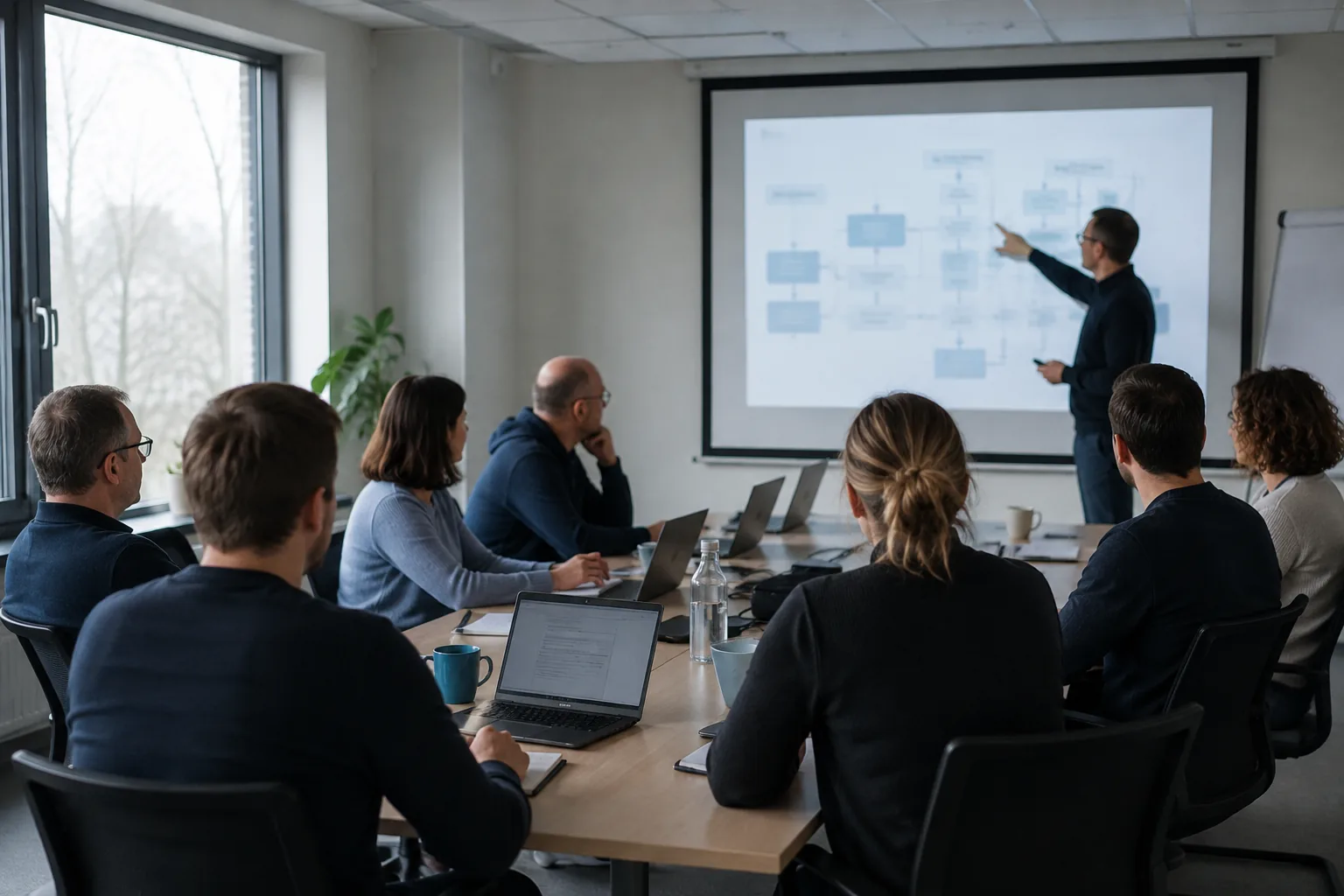
Where things stand
"We need to do something with AI!" Then the questions start.
You hear it from colleagues, clients and at every industry event. The technology itself is rarely the problem. The questions that follow are.
Data protection
Quality
Liability
Potential
We answered these questions for ourselves first.
Before automating a single task, we had to establish the ground rules for our own practice and our own clients.
Two ways to start
The complete approach, or a single day to begin with.
Introducing AI in five stages
From solution design to an assistant that works in day-to-day operations. Each stage has a flat fee, and you can stop after any stage.
Workshops and training
Online training and workshops for your team at a flat fee. On-site sessions are available on request, with an individual quotation.
Or assess it yourself first: how ready is your practice?
Six questions about filing, standardisation, documentation workload and data protection. Two minutes to identify a sensible starting point.
Use cases
AI use cases for engineering practices, tested in our own.
The figures come from our own practice. They indicate the scale of the benefit, rather than guaranteeing your results. No new software or folder structure.
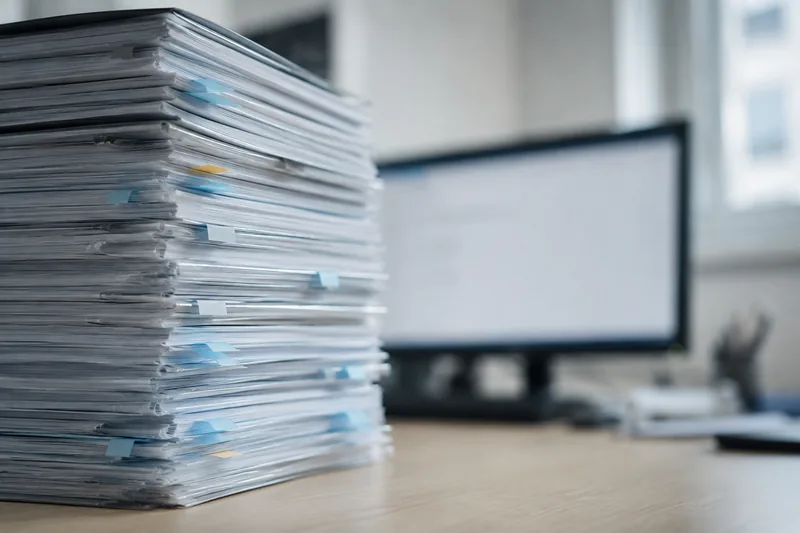
Tenders
- Reads
- Tender documents, your references and previous bids
- Produces
- Brief assessment with a recommendation and draft submission documents
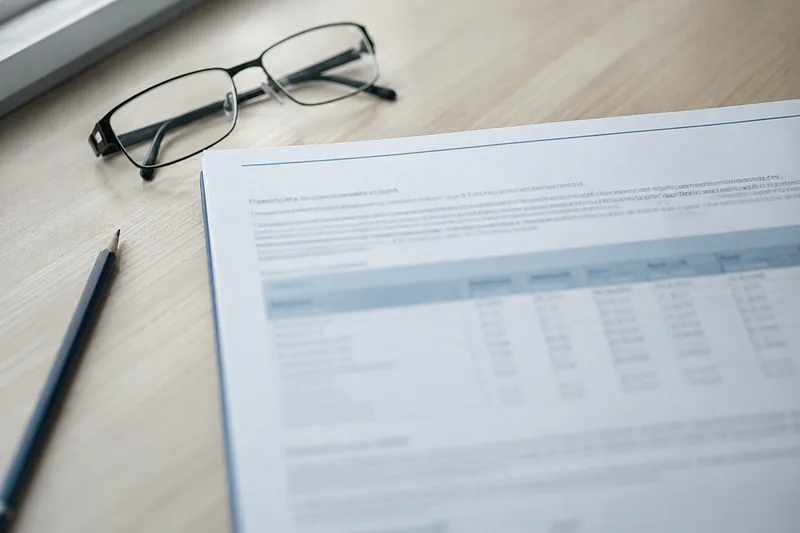
Reports
- Reads
- Room data, schematics and client requirements
- Produces
- Design reports, preliminary design reports, feasibility studies and functional descriptions in your template as editable DOCX files
Meeting minutes
- Reads
- Your meeting notes and previous minutes
- Produces
- Meeting minutes with tasks, deadlines and responsibilities
Project knowledge
- Reads
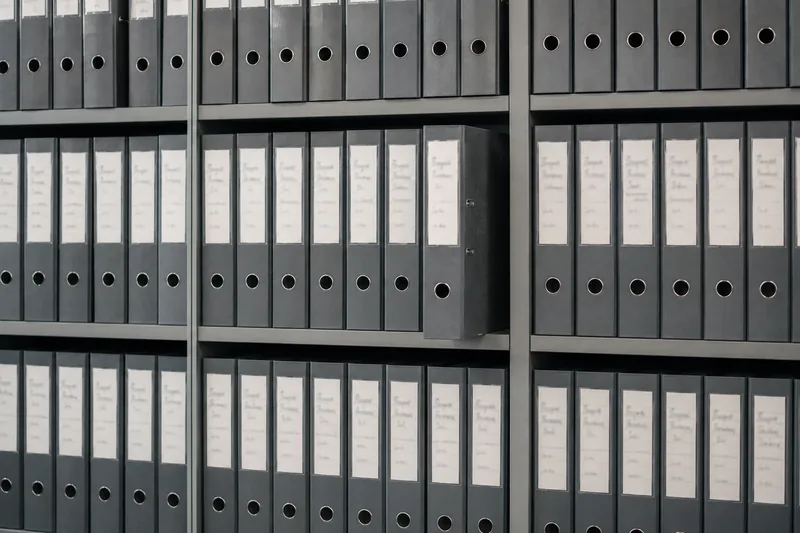
- Your entire project archive
- Produces
- An answer to your question, with source references
Who we are
Lessons learnt became a practical approach.
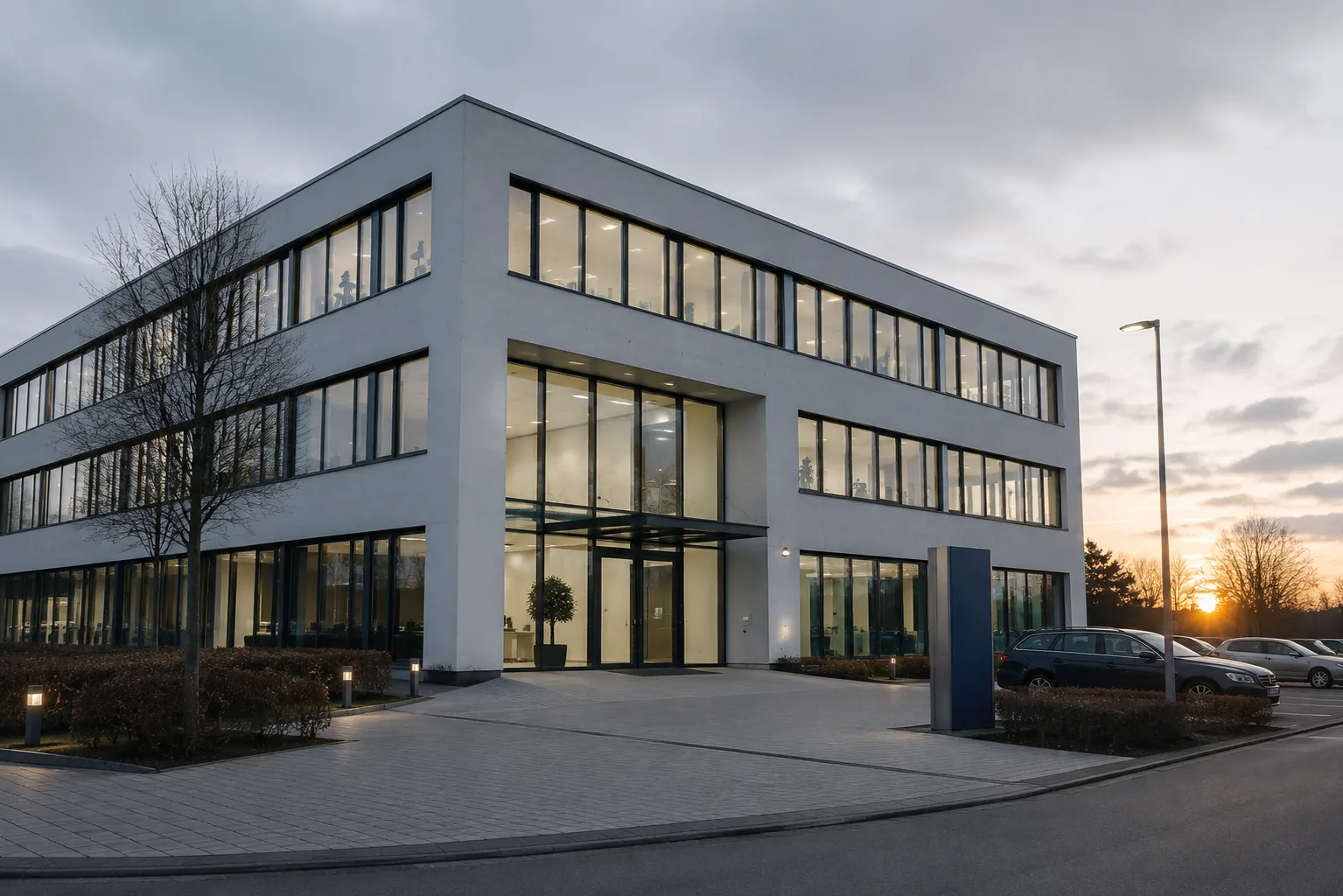
SysTec.AI grew out of MSR-Innovations, a building services and building automation engineering practice in Kulmbach. We approached three AI consultancies and turned all three down: none could explain what a design report contains.
So we did it ourselves, making our share of mistakes along the way. Those lessons shaped the services we offer today. Your practice does not have to repeat them. How it began.

run in our own practice, tested before we offer them to clients.
is the time we now need for a design report in HOAI work stage 3.
because none of the external AI consultants could explain what such a report contains.
Frequently asked questions
What engineering practices ask us first.
Do we need new software or a new filing structure?
No. The assistant works with your existing project folder structure. There is no data migration or new platform. Certain documents simply need to be stored reliably in the same location.
We assess how well your existing filing system supports this in stage 2.
Will artificial intelligence replace our engineers?
No. Assistants produce drafts, not approved documents. Review, professional judgement and approval remain with your specialists, including for reasons of liability.
Time is saved because people no longer start from scratch, while still checking the result.
What does introducing AI to an engineering practice cost?
The initial consultation is free. Solution design and the first assistant are offered at a fixed price. Ongoing support is charged monthly.
A firm estimate is possible only after solution design, because the effort and benefit depend strongly on your existing filing structure. View the stages.
Thirty minutes to understand where you stand.
You describe your workflows. We explain where the greatest benefit could lie and whether the investment makes sense for you. A practical conversation, without a sales pitch.